Quilting Typography Design Review
A First Look at Quilting
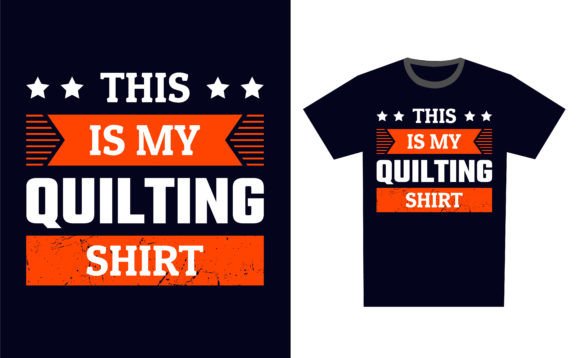
Quilting immediately brings a sense of warmth and craftsmanship to mind. The typography design carries a homey, nostalgic vibe that feels right at home on cozy apparel or handmade items. It’s not overly complex but has enough detail to feel intentional—like the stitching on a well-loved quilt. The layout is clean, with clear letterforms that suggest they’ll translate well into stitch patterns.
The design's shape and theme make it a natural fit for projects like tote bags, baby clothes, or even holiday gifts. Its visual personality leans toward the classic and comforting, which means it could easily become a go-to choice for small shop products or Etsy listings aimed at customers who appreciate handcrafted details.
How Quilting Performs in Real Embroidery Projects
When considering how Quilting would look stitched onto fabric, I imagine it performing best on medium-weight cotton or canvas. On a custom embroidered tote bag, for example, the design would stand out clearly without overwhelming the fabric. The typography has a good balance between detail and simplicity, making it suitable for both small and large hoop sizes, though testing on scrap fabric first is always a wise move.
For custom apparel like sweatshirts or t-shirts, Quilting can add a personal touch—perfect for personalized gifts or boutique branding. On baby clothes, its soft aesthetic might be especially appealing. However, if using it on stretchy fabrics or curved surfaces like caps, some adjustments may be needed to maintain clarity and alignment during stitching.
As an applique design, Quilting can be used as a standalone feature or part of a larger embroidery project. It also works well as a decorative accent on aprons, pillow covers, or kitchen towels. The design's versatility makes it a solid option for commercial embroidery projects or craft fair products where consistency and quality are key.
Where to Use Quilting with Caution
While Quilting is a strong design, there are certain situations where extra care should be taken. For instance, when working with small hoop sizes or thin fabrics, the detail level might get lost or cause tension issues. Similarly, using it on dark fabric backgrounds could affect visibility unless thread colors are carefully selected.
Products that require frequent washing, such as tote bags or aprons, will benefit from proper stabilizer use to prevent distortion over time. If planning to use this design on layered garments or curved surfaces, checking stitch density and adjusting hoop placement accordingly is essential for a polished finish.
Tiny lettering or dense stitch areas might need additional attention, especially if the final product is intended for commercial sale. Ensuring that all corners and edges are properly supported will help avoid fraying or misalignment after multiple washes.
Design Impact and Practical Notes
Quilting contributes positively to the visual appeal of any finished product. Its clean lines and warm aesthetic enhance the handmade presentation of items like personalized gifts or boutique merchandise. For Etsy sellers or small shop owners, it can serve as a recognizable brand element or a unique selling point for custom apparel and embroidered patches.
Stitch clarity is another factor worth noting. Since the design is resizable and editable, it allows for flexibility in adapting it to different project needs. However, it’s important to test the design in black and white mockups before finalizing to ensure that the contrast remains effective across various fabric types and color schemes.
Thread colors play a big role in how the design looks once stitched. Choosing colors that complement the fabric texture and background will help elevate the overall appearance of the finished product. For commercial embroidery projects, ensuring consistent thread color usage across all items is crucial for maintaining brand identity and customer trust.
Before using Quilting in any project, whether personal or commercial, it’s advisable to confirm licensing terms and check if the design is suitable for resale or digital product creation. Testing on scrap fabric, reviewing stitch density, and inspecting small details will help avoid costly mistakes down the line.
Overall, Quilting is a reliable machine embroidery design that offers practical value for a wide range of handmade and commercial embroidery projects. With thoughtful preparation and attention to detail, it can become a standout feature in your next custom apparel, embroidered patch, or boutique product.