Husband Daddy Engineer Hero Embroidery Design Review
First Impressions: A Strong Visual Statement
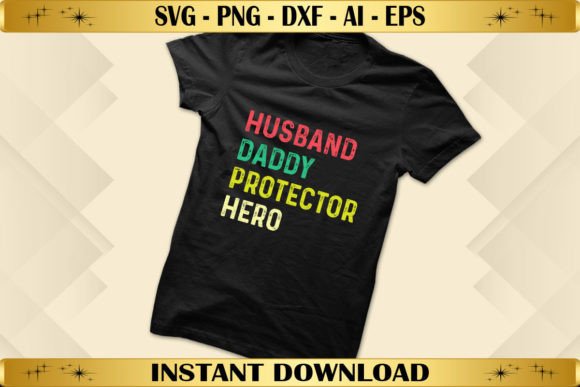
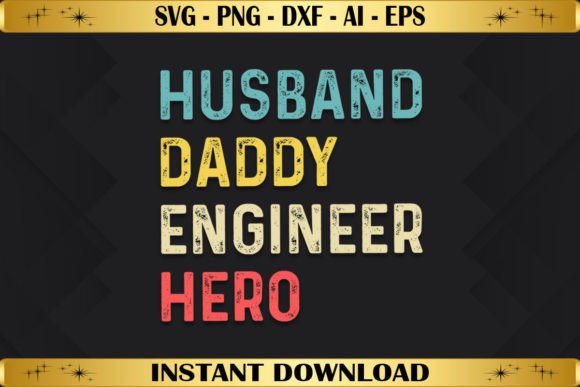
When I first opened the Husband Daddy Engineer Hero design files, I was struck by its bold personality. This machine embroidery design immediately felt like a statement piece—perfect for those who want to celebrate the hardworking, multi-role dad in their lives. The layout is clean yet expressive, with a strong emphasis on typography that balances humor and respect. It’s not just a graphic; it's a tribute.
The theme of the design is clear from the start. It combines elements of fatherhood, engineering, and heroism in a way that feels authentic and relatable. The shape and structure are well thought out, making it a natural fit for a variety of projects. From a custom embroidered tote bag to a personalized sweatshirt, this design has the versatility to stand out without being overwhelming.
Real-Life Use: How It Stands Up in Practice
I tested the Husband Daddy Engineer Hero on a few different surfaces to see how it would perform in real-life scenarios. One of my favorite applications was using it as an embroidered patch for a handmade apron. The design stitched cleanly, with clear lines and no distortion. The text remained legible even when viewed up close, which is essential for any personalized gift or handmade product.
For a custom apparel project, I used it on a dark-colored sweatshirt. The contrast between the design and the fabric was excellent, especially when using a white thread color. The stitch density was consistent, and the overall look had a professional finish that would appeal to both hobbyists and commercial embroiderers alike.
Another practical use was applying it to a baby onesie. The design didn’t overpower the small garment, and the level of detail was just right for a baby embroidery project. It added a fun, personalized touch without being too busy or complex.
Where to Use with Caution
While Husband Daddy Engineer Hero is a strong design, there are certain situations where it may need extra attention. For instance, if you're working with a small hoop size, the design might require some adjustments to ensure all details are captured properly. Similarly, when using it on textured fabrics or thin fabric, adding a proper stabilizer becomes crucial to avoid puckering or shifting during stitching.
Stretchy fabric can also be a challenge. The design’s structure may not hold up as well on materials that stretch easily, so testing it on a scrap piece before committing to a final product is always a good idea. Additionally, if you plan to use it on dark fabric, checking the thread color contrast is important to maintain visual clarity.
For curved surfaces like caps or hats, the design might need some repositioning or resizing to fit the contours naturally. And while the stitch density is generally well-balanced, areas with dense stitching should be tested for potential issues like thread breakage or fabric tension.
Visual Appeal and Marketability
From a craft business perspective, the Husband Daddy Engineer Hero design has strong market potential. It’s versatile enough to work across multiple product types, from holiday gifts to personalized products. Its humorous yet respectful tone makes it appealing to a wide audience, including Etsy sellers, small shop product creators, and handmade product designers.
As an embroidered patch, it adds value to items like tote bags, aprons, or even nursery decor. It’s also a great option for commercial embroidery projects, where a clean, recognizable design can enhance brand consistency and customer trust.
One thing I noticed was how well the design translates into a printable mockup. Whether you're creating digital previews for your digital product listings or designing design assets for future use, the visual clarity of the Husband Daddy Engineer Hero makes it easy to showcase effectively.
Practical Embroidery Designer Notes
Before diving into a full project, here are a few tips to keep in mind:
- Test on scrap fabric: Always test the design on a scrap piece of fabric before committing to a finished product. This helps identify any potential issues with stitch density or fabric compatibility.
- Check thread color contrast: Ensure the thread color works well with the fabric you're using, especially on dark backgrounds.
- Review stitch density: If the design has dense stitching areas, make sure your machine can handle it without overheating or causing fabric damage.
- Confirm hoop size: Check whether the design fits within your hoop size. If not, consider resizing or adjusting the layout.
- Inspect small details: Make sure all small elements, like lettering or decorative accents, are clear and well-defined after stitching.
- Use proper stabilizer: Especially on thin or stretchy fabrics, a good stabilizer can make a big difference in the final result.
- Check licensing terms: Before selling finished items or digital products, confirm the licensing agreement that comes with the Husband Daddy Engineer Hero files.
Whether you're a craft fair product creator, a handmade shop owner, or an apparel decorator, the Husband Daddy Engineer Hero is a solid choice for a wide range of embroidery projects. Just remember to approach it with the same care and consideration you’d give to any high-quality machine embroidery design.