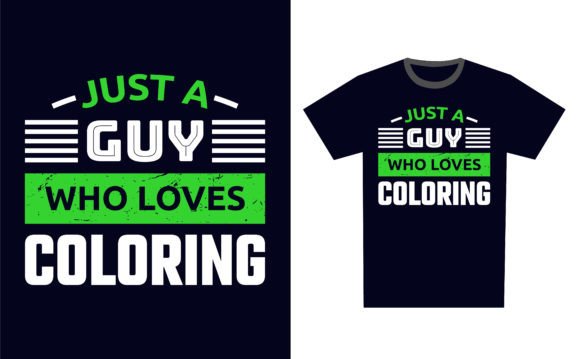
Reviewing the Coloring Typography Embroidery Design
A First Look at Coloring
At first glance, Coloring feels like a design that's meant to be played with. The typography layout is clean and open, giving it a sense of calm and simplicity. It’s not overly detailed, which makes it feel more like a canvas than a finished piece. The mood it creates is inviting—like a blank page waiting for creativity to fill it in.
The shape and theme are straightforward but versatile. It works well as a base for customization, whether you're adding color, texture, or personal touches. The layout allows for easy resizing without losing clarity, which is a big plus when working on different fabric sizes or hoop dimensions.
Real-Life Use: Customizing a Tote Bag
I recently used a similar design for a custom embroidered tote bag, and I can see Coloring fitting into that kind of project perfectly. When I stitched it onto a medium-weight cotton tote, the design maintained its clarity and didn't get lost in the fabric texture. It looked great both as a standalone graphic and as part of a larger embroidery layout.
For a tote bag, Coloring would work especially well if paired with additional elements like floral accents or geometric patterns. It’s also a good fit for personalized gifts, such as baby clothes or holiday items, where the design needs to be simple yet meaningful.
If I were to use it on a sweatshirt or cap, I’d need to make sure the hoop size was appropriate and that the stitch density was adjusted for the fabric type. On stretchy materials, stabilizer becomes even more important to prevent distortion.
Performance in Various Embroidery Projects
Coloring is a flexible machine embroidery design that can adapt to many projects. Here’s how it might perform:
- Custom Apparel: Works well on t-shirts, sweatshirts, and hoodies. It's ideal for minimalist styles or as part of a larger design.
- Tote Bags: Offers a clean look that complements natural fabrics. Great for handmade products or small shop merchandise.
- Baby Clothes: Simple enough to be soothing yet customizable for names or initials.
- Patches: Could be turned into an embroidered patch with some added detail or texture.
- Holiday Gifts: Perfect for creating personalized gifts like pillow covers or kitchen towels with a festive twist.
- Commercial Embroidery: A solid choice for Etsy sellers or craft businesses looking for a timeless, adaptable design asset.
It's worth noting that while Coloring is highly versatile, there are certain scenarios where it should be used carefully. For instance, on dark fabrics, thread color contrast becomes essential. If using black thread on a dark background, the design may lose definition unless tested beforehand.
Design Considerations for Embroidery Success
Before committing to Coloring for a real project, here are a few practical tips to keep in mind:
- Test on Scrap Fabric: Always test the design on a scrap piece of fabric before final stitching. This helps identify any potential issues with stitch density or thread visibility.
- Check Thread Contrast: Make sure the chosen thread colors provide enough contrast against the fabric background, especially on dark or textured materials.
- Review Stitch Density: Adjust the stitch density based on the fabric type and hoop size to ensure the design looks crisp and professional.
- Confirm Hoop Size: Ensure the hoop size matches the design’s dimensions to avoid stretching or distorting the image.
- Inspect Small Details: If the design includes tiny lettering or intricate lines, check for clarity under magnification.
- Use Mockups: Test the design in black and white mockups to see how it translates across different backgrounds.
- Choose Proper Stabilizer: Especially important when working with thin or stretchy fabrics to maintain the integrity of the design.
- Confirm Licensing: Before selling any finished products or digital assets, verify the licensing terms to avoid legal issues.
Coloring has the potential to elevate the visual appeal of any embroidery project. Whether you're crafting a handmade product, designing for a small shop, or preparing a digital embroidery file for sale, this design brings a sense of openness and possibility to your work.
Its simplicity doesn’t mean it lacks character—it invites creativity and personalization, making it a valuable addition to any designer’s portfolio or product line. As long as the right considerations are made during the embroidery process, Coloring can deliver a polished, professional finish that resonates with customers and enhances brand consistency.