Crafting Typography for Embroidery Projects
A First Glance at the Typography Design
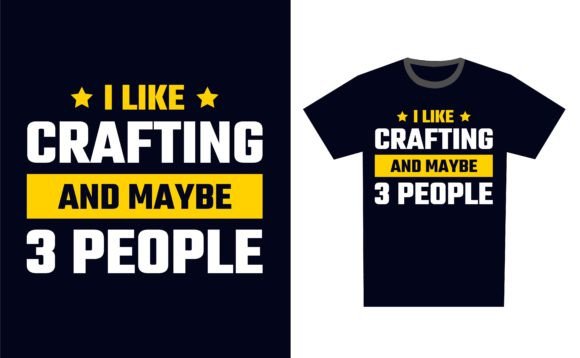
At first glance, Crafting has a clean and modern feel that immediately suggests it's suited for custom apparel or personalized gifts. The typography is bold yet refined, with a subtle texture that adds depth without overwhelming the design. It feels like it belongs on a handmade product—something that would stand out on a tote bag or a patch but still maintain a sense of professionalism.
The layout is simple but effective, with enough detail to suggest craftsmanship without being overly complex. This makes it ideal for embroidery projects that require both visual appeal and practicality. I can see this working well on a sweatshirt embroidery or even a holiday gift, where the message needs to be clear and impactful.
Real-Life Scenario: Custom Embroidered Tote Bag
Imagine preparing a custom embroidered tote bag for a small shop or an Etsy listing. Crafting could serve as the central text on the front of the bag. Its resizable nature means it can be scaled up to fit a larger surface while maintaining clarity. The file formats provided—EPS, PNG, SVG, JPEG—allow for flexibility in editing and exporting, which is a huge plus when designing for different products.
I tested Crafting on a scrap piece of fabric using my embroidery machine. The stitch density was even, and the lettering maintained its shape without distortion. The stitch density wasn't too heavy, so it wouldn’t cause puckering on lighter fabrics. However, if I were to use it on a stretchy fabric, I’d need to add more stabilizer to prevent shifting during the embroidery process.
On a dark fabric background, the thread color contrast was strong enough to make the text pop. But I would recommend testing it in black and white mockups first to ensure the visual appeal holds up under different lighting conditions and fabric types. For a handmade product, this kind of attention to detail can make all the difference in customer satisfaction and repeat business.
Where to Use with Caution
Crafting is versatile, but there are certain situations where extra care is needed. For instance, using it on a cap or curved surface might require some adjustments to the design’s curve to match the hoop size and fabric curvature. Similarly, small hoop sizes could limit how much of the design you can stitch at once, especially if you're creating a patch or embroidered patch.
When working with thin fabric or textured fabrics, it's essential to use proper stabilizer to avoid any distortion or stretching. If you're planning to use this for commercial embroidery, always check the licensing terms before selling finished items or digital products. Even though the file is editable, it's important to confirm that you have the rights to use it in your specific context.
Design Notes for Embroidery Professionals
As a designer, here are a few practical notes when using Crafting in real projects:
- Test on scrap fabric first to see how it stitches and looks under different conditions.
- Check thread color contrast against various fabric colors to ensure visibility and visual appeal.
- Review stitch density to avoid issues with fabric puckering or stiffness.
- Confirm hoop size requirements before starting, especially if you're working with multiple pieces or layered garments.
- Inspect small details and adjust if necessary, especially if the design will be used on tiny lettering or dense stitch areas.
- Use printable mockups to visualize how the final product will look before committing to production.
- Compare light and dark fabric backgrounds to ensure the design remains legible and aesthetically pleasing.
Crafting is a solid choice for anyone looking to add a touch of personality to their embroidered project. Whether you're an Etsy seller, a craft business owner, or just a hobbyist, this design offers a good balance of style and functionality. It fits well into design assets that need to be adaptable across different products and contexts.
Remember, while Crafting is a great starting point, it's always wise to tailor it to the specific needs of your finished product. With a little testing and tweaking, it can become a standout feature in your next custom apparel or handmade product.