Electrical Engineer Let s Assume Review
First Impressions of Electrical Engineer Let s Assume
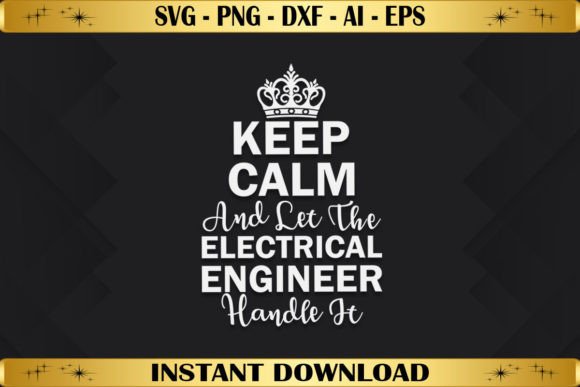
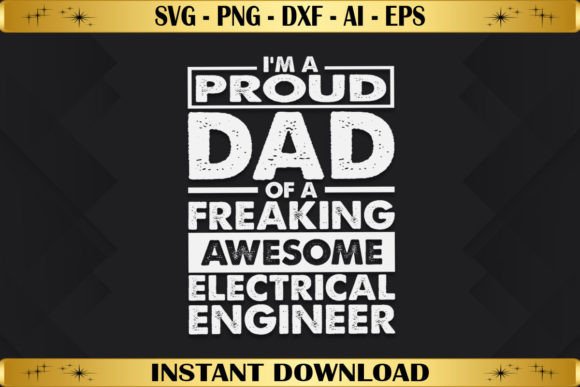
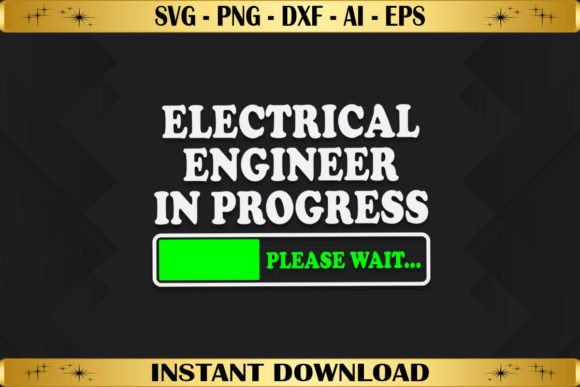
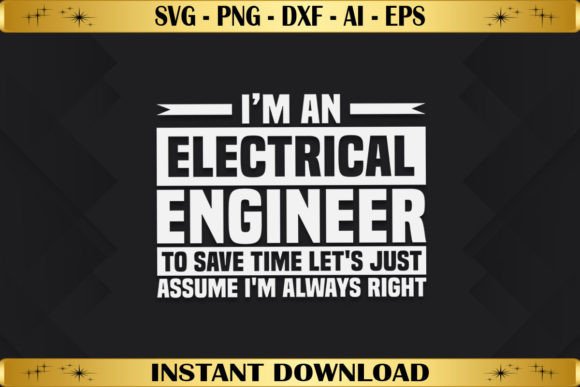
When I first opened the Electrical Engineer Let s Assume design files, I was struck by its clean and modern aesthetic. The layout feels both professional and approachable, making it a versatile choice for a variety of embroidery projects. It carries a subtle intellectual vibe that speaks to its theme without being too serious or technical.
The shape and detail level are well-balanced, with enough visual interest to catch attention but not so much that it becomes overwhelming. This makes it ideal for use on simpler garments like t-shirts, sweatshirts, or even tote bags where the focus is on the message rather than the intricacy of the artwork.
Real-Life Scenario: Custom Embroidered Tote Bag
Let’s imagine using Electrical Engineer Let s Assume on a custom embroidered tote bag. As someone who frequently uses tote bags for shopping, work, or carrying essentials, I can say that the design would add a touch of personality and humor while still maintaining professionalism.
The text in the design is clear and readable, which is crucial for something that might be seen from a distance. The placement of the elements suggests that it would look great centered on the front of a tote, especially if paired with a complementary color scheme.
I can see this design appealing to students, professionals, and hobbyists alike—making it a fantastic choice for handmade products or boutique merchandise.
Performance in Real Embroidery Projects
Electrical Engineer Let s Assume performs well in most standard embroidery situations. On a plain white t-shirt or sweatshirt, the design stands out nicely. The contrast between the embroidery and fabric helps maintain clarity and definition.
It also looks good on darker fabrics when using high-contrast thread colors. For example, a black hoodie with white or bright-colored embroidery could make the design pop even more. However, it's always a good idea to test the design on scrap fabric first to ensure the stitch density and thread color work well together.
This design is suitable for a wide range of items such as embroidered patches, sweatshirt embroidery, custom apparel, and even holiday gifts. Its simplicity allows it to blend into different styles, whether you're going for a minimalist look or something slightly more playful.
Where to Use with Caution
While Electrical Engineer Let s Assume is a strong design, there are certain scenarios where it may need extra consideration. For instance, using it on small hoop sizes could result in a loss of detail, especially if the design includes fine lettering or intricate elements.
Textured or stretchy fabrics might also challenge the stitching clarity, so using a proper stabilizer is essential in these cases. Additionally, if the design is used on curved surfaces like caps or hats, careful planning around the curve is necessary to avoid distortion.
For products that will undergo frequent washing, it's important to ensure the embroidery is securely stitched and that the fabric can handle repeated exposure to water and heat.
Visual Appeal and Customer Engagement
From a visual standpoint, Electrical Engineer Let s Assume adds a unique and relatable touch to any product. It has the potential to increase the perceived value of a handmade item, making it more appealing to customers looking for personalized or meaningful gifts.
As an embroidery file, it contributes to a consistent brand image if used across multiple products. Whether it's for an Etsy seller creating small shop products or a craft business offering personalized gifts, this design brings a sense of recognition and professionalism to the finished product.
Its humor and relevance can also boost buyer engagement, particularly during events like holiday embroidery or nursery decor projects where a lighthearted yet clever message is appreciated.
Practical Embroidery Designer Notes
If you're considering using Electrical Engineer Let s Assume for your next project, here are some practical tips:
- Test on scrap fabric: Always do a test run before committing to a final product to check stitch density and thread visibility.
- Check thread color contrast: Ensure that the chosen thread color complements the fabric and enhances the design.
- Review stitch density: High-density areas may require adjustments depending on the fabric type and machine settings.
- Confirm hoop size: Make sure the hoop size matches the design dimensions to avoid distortion or incomplete stitches.
- Inspect small details: If the design includes tiny lettering or intricate elements, double-check that they remain visible after embroidery.
- Use proper stabilizer: Especially on stretchy or textured fabrics, a good stabilizer ensures the design stays intact.
- Check licensing: Before selling any finished products or digital assets, confirm the licensing terms of the design.
By following these steps, you can ensure that Electrical Engineer Let s Assume looks its best on any embroidery project, whether for personal use or commercial purposes.